
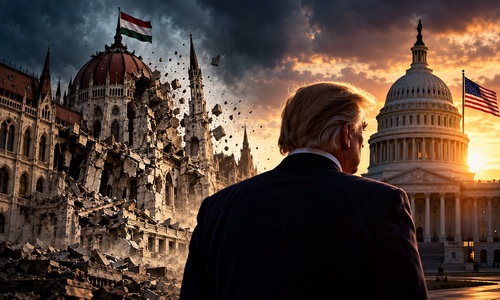
Viktor Orbán spent 16 years building a political system in Hungary that many assumed would outlive him.
It took his successors only months to begin tearing major pieces of it apart.
That may be the most important lesson coming out of Hungary right now—not whether Americans admire Orbán, dislike him, or even understand Hungarian politics. It is how quickly the accomplishments of a powerful political leader can begin disappearing once his opponents inherit the machinery of government.
Péter Magyar defeated Orbán in April in a stunning election victory that gave his Tisza Party a two-thirds parliamentary majority. Magyar had promised Hungarians something bigger than replacing one prime minister with another. He promised what amounted to a change of system.
And that is what followed.
Hungary’s president was pushed out through a constitutional amendment terminating his mandate. The chief prosecutor resigned under political pressure. Secret-service chiefs were dismissed. The head of the counterterrorism police was removed. Constitutional rules were changed, Orbán-era institutions were targeted, and the government began dismantling what Magyar and his supporters regarded as entrenched remnants of 16 years of Fidesz rule.
The changes have been so sweeping that analysts have described them as a constitutional “reset.” Supporters say Hungary is restoring democratic institutions after years of Orbán consolidating power. Fidesz argues that Magyar is using his enormous parliamentary majority to purge political opponents and rewrite the rules for his own advantage.
Whichever interpretation ultimately proves closer to reality, Americans should pay attention to something much simpler:
Political legacies can be remarkably fragile.
What Happens After Trump?
Donald Trump has spent his second presidency attempting something far more ambitious than passing a few tax cuts or changing a handful of regulations.
He has attempted to fundamentally redirect the federal government.
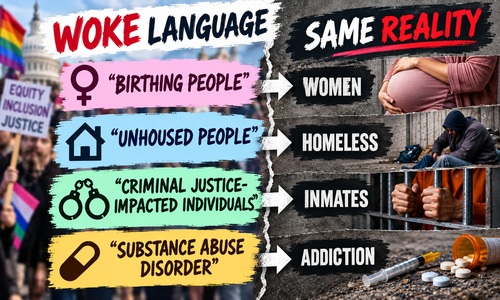
DEI programs have been dismantled across federal agencies. Immigration enforcement has been dramatically expanded. Federal personnel policies have changed. Environmental and energy regulations have been reversed. Gender-identity policies have been rewritten. Agencies have been reorganized, funding priorities altered, and executive power aggressively employed to force Washington in a very different direction.
Trump’s DEI orders alone directed federal agencies to terminate DEI offices, positions, equity plans, grants, contracts and related requirements to the maximum extent permitted by law.
The question is no longer simply what Trump can change.
The more consequential question may be: How much of it survives him?
Because Trump’s opponents are already thinking about the government that comes afterward.
The Washington Post reported this week that Trump critics, particularly Democrats, are developing proposals aimed at reversing significant changes associated with his presidency and restricting presidential powers they believe Trump has abused. Those ideas include new limits on emergency powers, tougher ethics requirements and changes designed to insulate institutions such as the Justice Department from presidential influence.
That doesn’t mean every proposal will become law. It does demonstrate that the post-Trump conversation has already begun.
And Hungary shows how quickly that conversation can become government policy when political power changes hands.
var images = [],
index = 0;
images[0] = ““;
images[1] = ““;
images[2] = ““;
images[3] = ““;
index = Math.floor(Math.random() * images.length);
document.write(images[index]);
//done
The First Signature Could Erase The Last One
This is where Trump’s legacy faces an enormous vulnerability.
A law passed by Congress cannot simply be eliminated because a new president dislikes it.
An executive order can.
Regulations can be rewritten. Enforcement priorities can change. Federal funding can be redirected within legal limits. Agency leadership can be replaced. Foreign policy can shift dramatically. New administrations can reinterpret regulations and begin reversing their predecessors’ administrative actions.
What Trump accomplished through presidential power can, in many instances, eventually be attacked through presidential power.
Imagine another administration arriving in Washington determined to produce its own “reset.”
Immigration enforcement could change direction.
Federal DEI initiatives could return under new terminology.
Climate and environmental regulations could be rebuilt.
Title IX and gender-identity rules could shift again.
Federal agencies reorganized under Trump could be reorganized again.