
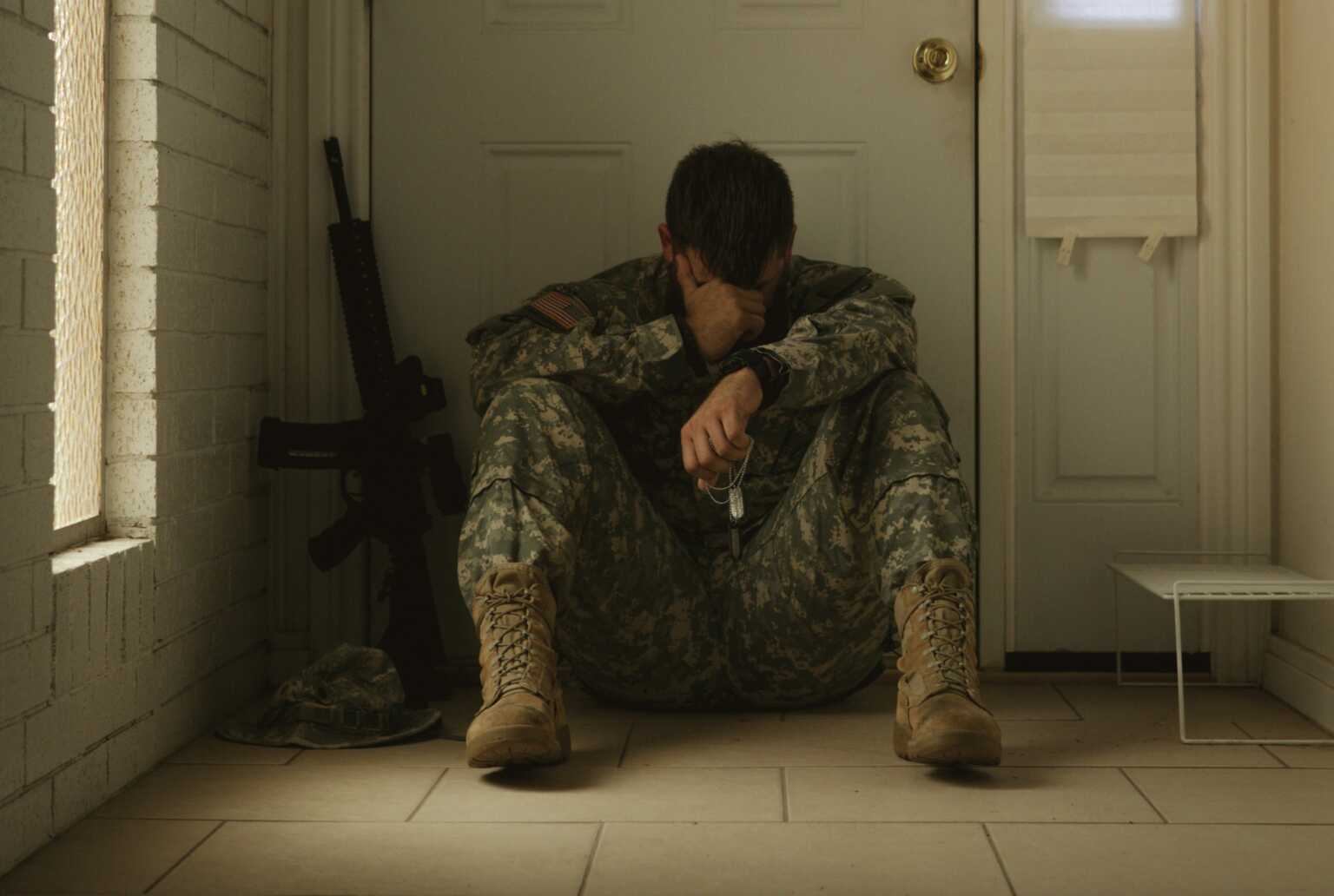
According to the U.S. Department of Veterans Affairs, approximately 17.6 veterans die by suicide each day—more than 6,000 a year. In a published first-person analysis reviewed by Kingdom Watch News, the author argues this crisis is “not simply a military problem” or “solely a health-care problem,” but “an American problem.”
The claim: the battle continues after the uniform
The author, who describes serving more than 20 years predominantly in special operations, writes that many veterans carry “invisible wounds” home—trauma, loneliness, loss of purpose, and hopelessness. He contends too many “lose that fight” outside combat zones.

The analysis also asserts that “many within the veteran community” believe the true suicide figure may be higher because several states with large veteran populations “have not consistently been included in national reporting.” That belief is presented without naming specific states.
Community, not just clinicians
While acknowledging the essential role of mental health professionals, the author argues prevention “begins long before someone reaches a crisis” and “begins with connection”—relatives calling, mentors checking in, employers hiring veterans, and neighbors refusing to let someone “suffer alone.”
He maintains that “purpose changes people,” describing his own recovery as coming through medical care, mentors, family, friends, and “people of faith” who reminded him “my story was not over.”
From personal recovery to organized support
The author states he now leads SOF Missions, a nonprofit he describes as helping veterans build resilience and purpose through holistic care addressing psychological, physical, social, and spiritual dimensions.
The ask—and a resource
Framing the issue as a civic responsibility, the author asks Americans to move beyond Veterans Day thanks to practical involvement: partnering locally, hiring veterans, and checking in on neighbors. He poses a question to readers: “What can I do for the veteran living in my community?”
If you or someone you know is struggling with suicidal thoughts, the analysis notes that help is available by calling or texting 988, the Suicide & Crisis Lifeline.