

American diplomatic efforts faced growing uncertainty on two Middle Eastern fronts this week as Iran threatened renewed military action and negotiations over Hamas’ disarmament produced no immediate breakthrough.
A 60-day memorandum between the United States and Iran was intended to suspend hostilities, reopen the Strait of Hormuz and create a framework for a broader peace agreement. The negotiating period expired Aug. 17 after the arrangement had already begun unraveling.
Each side has accused the other of violating the agreement.
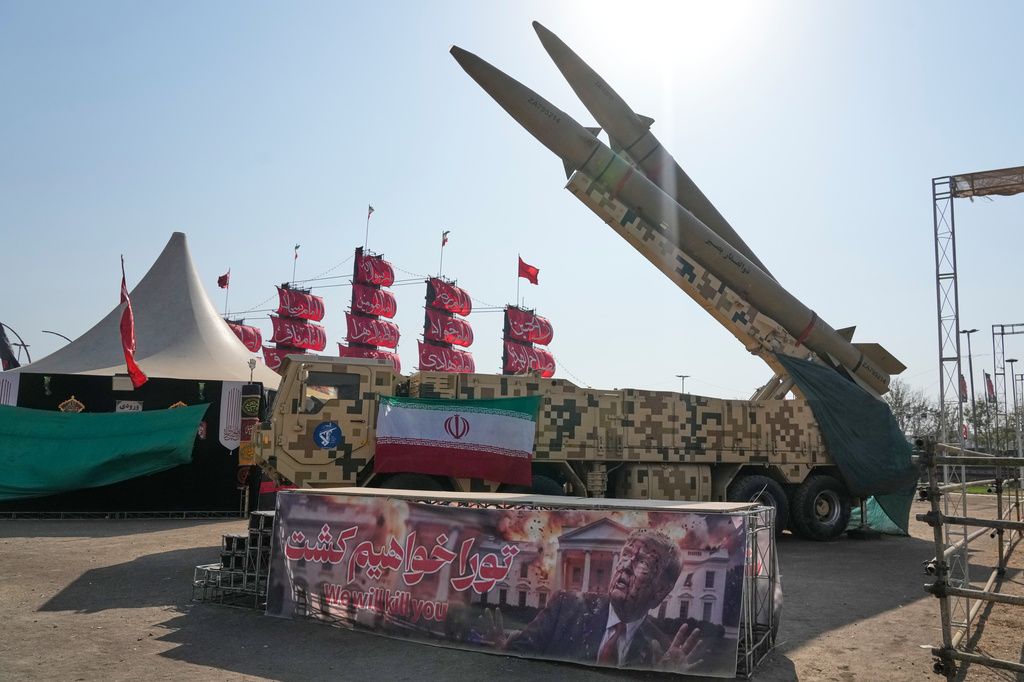
A senior Iranian official told Reuters that the country’s military and political institutions had been instructed to prepare for an escalation in the Strait of Hormuz and elsewhere in the region.
The official said Tehran could move from a defensive posture to “fully offensive” operations if Washington does not implement what Iran considers its obligations under the memorandum. Iranian authorities have reportedly established a short deadline for diplomatic progress, although they have not publicly provided a firm date.
During the negotiating period, Iran expanded its missile and drone production and installed hard-line officials in important security positions, according to reports citing regional intelligence.
The Islamic Revolutionary Guard Corps also reportedly dispatched advisers to allied forces in Iraq, Lebanon and Yemen. Arab intelligence officials said Iranian personnel supplied regional groups with strategic guidance and possible targets, including Saudi ports and energy infrastructure.
The United States maintains a naval blockade restricting Iranian commerce through the Strait of Hormuz. President Donald Trump said American forces exercise effective control over the waterway, although Iran retains the ability to disrupt shipping through mines, missiles and drones.
Trump has repeatedly floated the idea of declaring the strait American territory. Such a move would face major legal and diplomatic obstacles because Iran and Oman border the passage and international law protects transit through the strategic waterway.
The president nevertheless praised the effectiveness of the blockade and said oil shipments were continuing. He acknowledged that renewed fighting could again disrupt energy supplies.
At the same time, Trump envoy Jared Kushner has been attempting to revive the administration’s Gaza peace proposal.
Kushner met Hamas leaders in Egypt before holding nearly four hours of talks with Israeli Prime Minister Benjamin Netanyahu. Hamas representatives reportedly indicated a willingness to surrender their weapons under a US-backed plan that would transfer authority in Gaza to a Palestinian technocratic government.
Kushner said Hamas officials made encouraging statements during the meeting but acknowledged that Israel had legitimate reasons to distrust the organization.
Public comments from Hamas figures soon exposed the continuing disagreement. Khaled Qaddoumi, a Hamas representative in Iran, said armed resistance would continue as long as Israeli forces remained in territory claimed by Palestinians.
Kushner has insisted that international reconstruction assistance will not begin until Gaza is demilitarized. He said donors would be unwilling to finance rebuilding if Hamas could rearm, reclaim control or provoke another destructive conflict.
The American proposal reportedly gives Hamas between 60 and 90 days to surrender weapons and dismantle military tunnels.
Kushner argued that compliance would remove a major threat to Israel and open the way for Gaza’s reconstruction. If Hamas refuses, he said, Israel would gain broader international support for additional military action.
Following Kushner’s meeting with Netanyahu, the Israeli prime minister’s office announced plans for two working groups.
One group will focus on disarming Hamas and demilitarizing Gaza before reconstruction begins. The other will address sanitation, clean water and public-health conditions affecting both Palestinians and Israelis.
The discussions produced a framework for further negotiations but no final agreement. Hamas continues to demand Israeli withdrawal and an end to strikes, while Israel insists that disarmament must occur before reconstruction or significant territorial concessions.
Together, the Iran and Gaza disputes demonstrate the same underlying problem: Diplomatic language may create a temporary opening, but agreements will remain fragile until the parties take verifiable action.