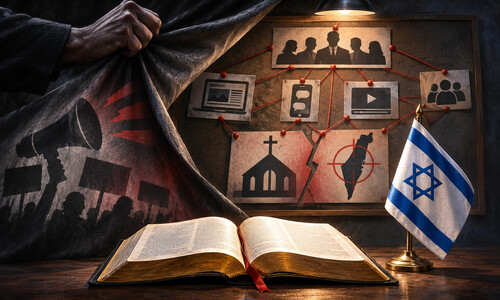

A law sold as a way to protect people from online harm can become a powerful tool for silencing speech that those in power find harmful. That danger is now on display in Australia–and American Christians should pay attention.
On November 25, Australia’s Parliament passed its Digital Duty of Care law. It requires online services to take steps to protect users from seriously harmful material and conduct, with penalties of up to 5% of a company’s global revenue or $109.2 million, whichever is greater. Individuals and groups may also sue providers over breaches that cause loss or damage. The law takes effect 12 months after royal assent.
Protecting children from exploitation, suicide promotion, and abuse is a worthy goal. The danger lies in giving platforms enormous financial incentives to decide which speech counts as “harmful”–especially when the law does not expressly protect religious teaching and discussion.
Who decides what counts as harmful?
Christian leaders in Australia warned that the bill’s protections expressly cover categories such as news, research, and certain educational and artistic material, while leaving out religious expression. They called for clear protections for lawful preaching, worship, and discussion of doctrine.
That omission matters because Christian teaching regularly challenges the assumptions of modern progressive politics. The Bible teaches that God created humanity male and female. It defines marriage in terms that conflict with contemporary views of sexuality. It regards the unborn child as worthy of protection. It rejects the idea that personal identity can be detached from the body God created.
These convictions are not calls for violence. They are religious and moral claims. But in today’s political climate, people increasingly describe disagreement itself as harmful. A sermon stating that sex is biologically real, a church resource opposing abortion, or a Christian school’s teaching on marriage can be branded “hateful,” “unsafe,” or damaging to someone’s well-being.
Once that judgment is tied to legal penalties, platforms have every reason to err on the side of removal. They do not need to receive a direct order to censor a particular sermon. The incentive is enough: when a company faces massive fines and costly lawsuits, leaving contested material online may look riskier than taking it down.
That is how censorship often advances–not with a law declaring, “Christian teaching is forbidden,” but with a system that makes private companies afraid to host it.
var images = [],
index = 0;
images[0] = ““;
images[1] = ““;
images[2] = ““;
images[3] = ““;
index = Math.floor(Math.random() * images.length);
document.write(images[index]);
//done