On Labor Day, author Barbara Latta urges readers to see “work” through the Bible’s storyline—from creation to Christ to eternity. Drawing on Genesis, the Law of Moses, and New Testament passages, she argues that labor begins as a God-given calling, becomes toil after the Fall, and finds rest and purpose in Jesus.
Before the Fall: Work as Calling
Latta points to Genesis 1:28 (NIV)—“Be fruitful, and increase in number; fill the earth and subdue it. Rule over the fish in the sea and the birds in the sky and over every living creature that moves on the ground”—to argue that humanity received a mandate to cultivate and steward creation. She cites Adam’s early task of naming the animals and notes Genesis 2:5 as evidence that tending the garden preceded sin. In her reading, original work “stimulated thought and physical creativity,” not burden.

After the Fall: Toil and Fear
According to Genesis 3:19, post-Fall labor becomes grueling: “By the sweat of your brow you will eat your food.” Latta also references Genesis 3:16 (pain in childbirth) and Genesis 3:10 (fear) and connects these to anxiety and corruption described in Genesis 6:11–12.
From Law to Christ’s Work
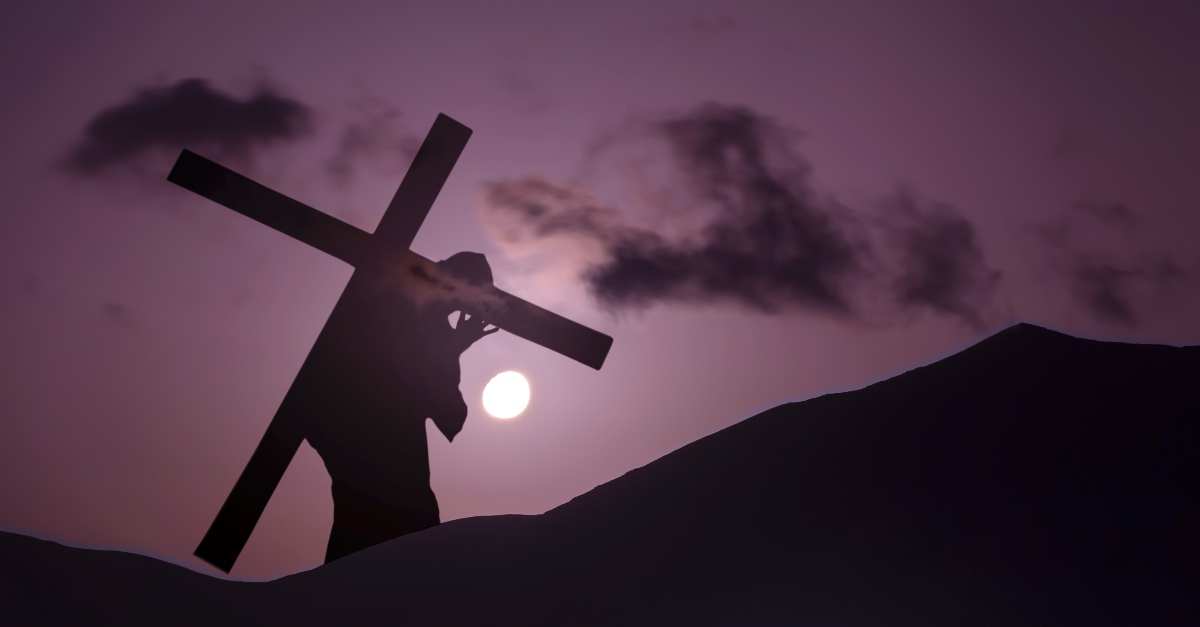
Tracing Israel’s story, Latta summarizes that the Mosaic Law required continual sacrifices and strict obedience. She cites Romans 10:4—“Christ is the culmination of the law”—and John 5:17, where Jesus says, “My Father is always at his work to this very day, and I too am working.” In her view, Christ’s work introduces true rest from striving to earn divine favor, taking on the consequences of sin (cf. Romans 6:23) through the cross.
The Believer’s Assignment Now
Latta highlights Jesus’s “new command” to love one another (John 13:34) and the Great Commission (Matthew 28:19–20). She notes Mary Magdalene as the first to announce the resurrection to the disciples. For everyday vocations, she cites Colossians 3:23: “Whatever you do, work at it with all your heart, as working for the Lord, not for human masters.” She also acknowledges Jesus’s warning about opposition (John 15:18) and points to 1 John 4:4 as encouragement.
Final Work and the Future
Latta references Hebrews 1:3 to affirm Christ’s completed work and heavenly enthronement. Looking ahead, she cites Revelation 20:10 and Isaiah 9:7 to describe a future defeat of evil and the Lord’s rule. She adds 2 Corinthians 5:10 regarding rewards at the judgment seat of Christ and notes 1 Corinthians 6 (judging angels), Revelation 4:10–11 (the elders worshiping), and Philippians 2:10–11 (every knee bowing) as part of the biblical picture.


Labor Day Takeaway
Latta encourages readers to approach their jobs through faith, with an eye to eternal outcomes. She quotes 1 Corinthians 3:12–13 about each person’s work being tested and Matthew 11:28 as an invitation to find rest in Christ.