
Geological Monster Awakens: Massive Eruption Rattles Ethiopia (WATCH)
Remnant Recap
-
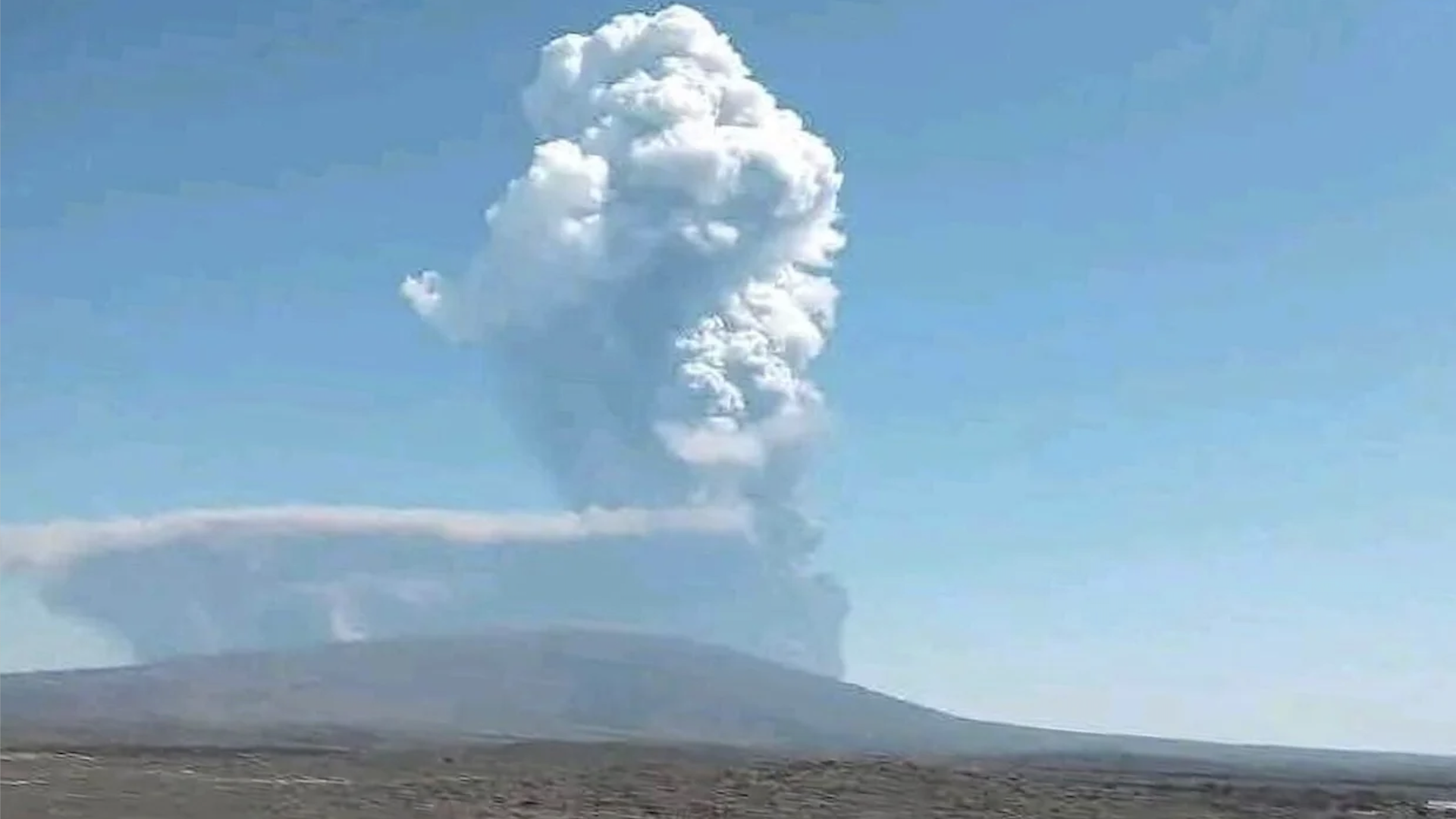
Historic eruption: Ethiopia’s Hayli Gubbi volcano erupted for the first time in nearly 12,000 years, sending ash across multiple countries.
-
Travel disruptions: Ash plumes forced airlines like Air India and Akasa Air to cancel flights across the region.
-
Local impact: Villages in the Afar region are coated in ash, leaving livestock with little to eat and threatening the livelihoods of herding communities.
A volcano in Ethiopia just woke up after nearly 12,000 years, and it did so with force. Hayli Gubbi erupted for several hours, blasting ash nearly nine miles into the sky and disrupting flights from India to the Middle East.
🚨: Recent Ethiopian volcano eruption seen from space.
There are no known eruptions on record from the Hayli Gubbi in the past several thousands of years.
📹 Credit: Aqua/MODIS satellite pic.twitter.com/esKOIxh5Nl
— Curiosity (@MAstronomers) November 25, 2025
While there are thankfully no casualties, entire villages in the Afar region are now covered in ash, threatening the livelihoods of livestock herders who depend on grazing.
❗️🌋🇪🇹 – Ethiopia's Hayli Gubbi Volcano Awakens After 10,000 Years
In a stunning geological event, Ethiopia's Hayli Gubbi volcano—long dormant in the remote Danakil Depression of the Afar Rift—erupted explosively for the first time in recorded history on November 23, 2025.
The… pic.twitter.com/bZby4sAuOC
— 🔥🗞The Informant (@theinformant_x) November 24, 2025
CBS News reports:
A volcano in Ethiopia’s northeastern region erupted for the first time in nearly 12,000 years, sending thick plumes of smoke up to nine miles into the sky, the Toulouse Volcanic Ash Advisory Centre (VAAC) said.
The Hayli Gubbi volcano, located in Ethiopia’s Afar region about 500 miles northeast of Addis Ababa near the Eritrean border, erupted on Sunday for several hours.
The volcano, which rises about 1,500 feet yards in altitude, sits within the Rift Valley, a zone of intense geological activity where two tectonic plates meet.
Ash clouds from the volcano drifted over Yemen, Oman, India, and northern Pakistan, said the VAAC, which posted a map of the path of the ash cloud.
Simon Carn, a volcanologist and professor at the Michigan Technological University, confirmed on Bluesky that the ash cloud was “spreading rapidly east in the subtropical jet stream, over the Arabian Sea towards NW India and Pakistan.”
Photo credit: Afar Government Communication Bureau via AP